Fire wardens do not get several peaceful days. When the alarm goes off, the chief fire warden is the person everyone watches for cues. The role requires tranquil command, sharp judgment, and a working knowledge of both the building and individuals inside it. The most effective principals I have actually collaborated with treat emergency situations like tasks with ruthless due dates. They intend, run constant drills, and make sure nobody is presuming when secs count.
This overview lays out what effective chief fire wardens emergency warden training - First Aid Pro actually do day to day, how to get ready for the moments that matter, and a useful checklist you can adjust to your website. It draws on the methods taught in units such as PUAFER005 Operate as part of an emergency control organisation and PUAFER006 Lead an emergency control organisation, along with the facts of mixed-tenant buildings, change work, and imperfect information.
The role at a glance
The chief fire warden leads the Emergency Control Organisation, or ECO. In a simple workplace, the ECO may be a handful of wardens covering floorings and high-traffic locations. In a health center, stadium, or industrial website, it can be loads with expert functions and redundancies. In any case, the chief's core duties are consistent: prepare, work with, make a decision, and account for people.
A chief warden does not combat fires. They established the strategy for discharge or shelter, straight interactions, coordinate with initial responders, and make sure every area gets removed and inspected. That clearness avoids complication when somebody notifications smoke near a server room, when a contractor is functioning above a ceiling, or when an emptying coincides with a power failure.
If you are brand-new to the role, take the PUAFER006 course to find out how to lead an emergency control organisation and method decision making under pressure. Pair it with the PUAFFER005 program, which concentrates on how wardens operate as part of the ECO. Lots of organisations integrate these right into a single chief warden course, with a refresher course every 1 to 2 years.
Colours, markings, and why they matter
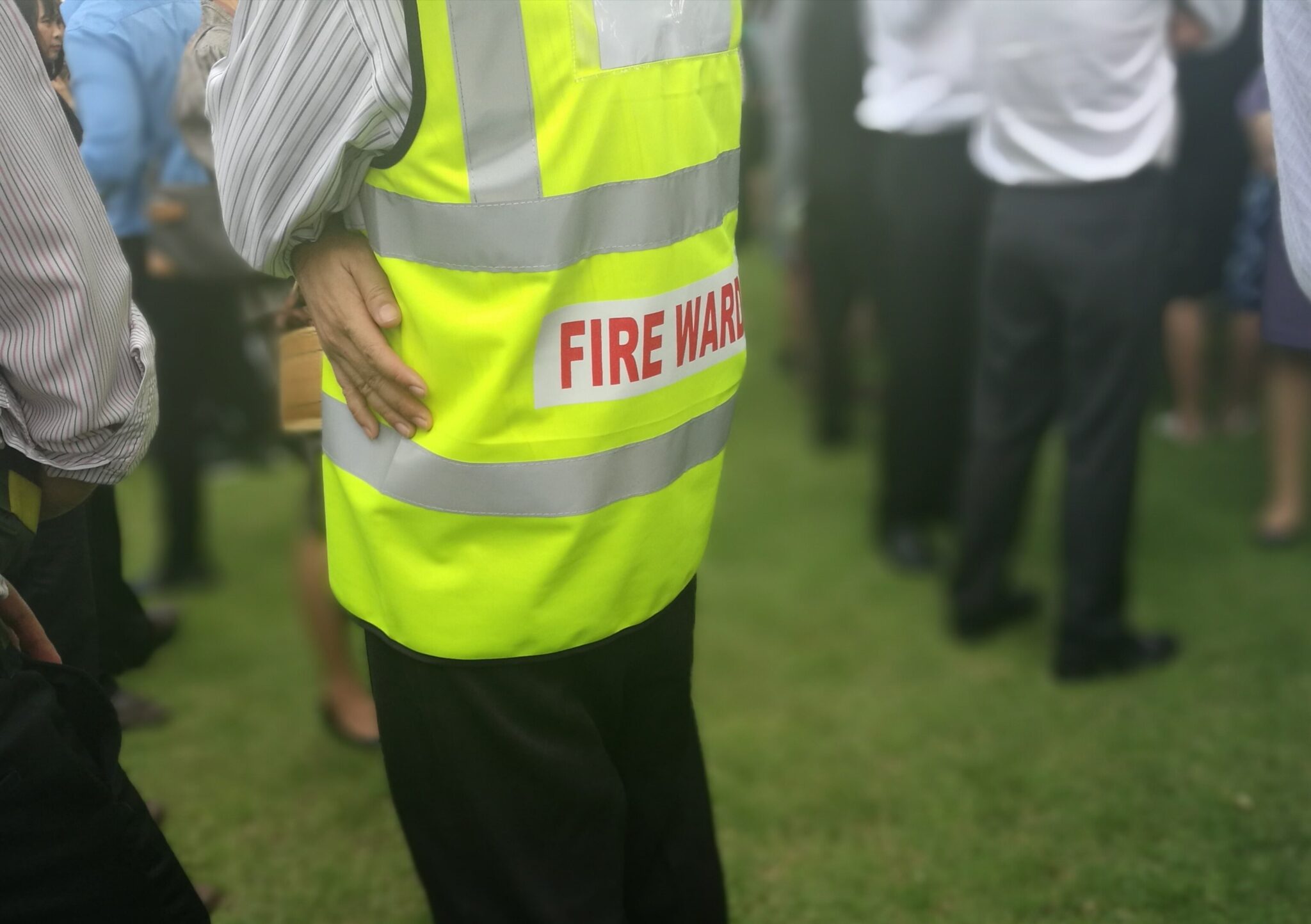
Uniform and presence audio insignificant, till you are leading 700 people down smoke-smudged staircases with a periodic alarm. The majority of Australian work environments utilize the standard warden colour conventions derived from AS 3745. Chief wardens use white hats or helmets with white vests or tabs, location wardens red, interactions or emergency treatment green, and search or floor wardens yellow. If your website asks what colour helmet a chief warden uses, the answer is white, or a white chief warden hat with clear markings so responders locate you fast.
Make the markings bold and consistent. If your labor force is multilingual or periods contractors and short-term team, this basic conventional puncture. I have seen evacuations falter due to the fact that people followed a colleague in a well-known jacket instead of a warden vest. Small solutions like proper chief fire warden hat colour and high-contrast signage minimize that risk.
Competency and training that in fact sticks
Training must be useful, pertinent to your site, and regular adequate to remain sharp. Class theory without walk-throughs has a tendency to fade. Right here is just how to consider it:
- Fire warden training for basic wardens should cover alarm system states, neighborhood controls, interactions, search patterns, and aiding mobility-impaired owners. That aligns with PUAFER005 operate as component of an emergency situation control organisation. Chief warden training belongs at the PUAFER006 level. The priority is leadership under unpredictability: assessing alarm panels that show multiple areas, deciding in between phased and full emptying, coordinating with fire solutions, and dealing with side situations like lifts inactive, after-hours tenancy, or dangerous storage.
Aim for a minimum of one full emptying workout per year per building, plus targeted drills for unique locations such as research laboratories, archives, or plant rooms. I choose a mix of introduced and shock scenarios, with at the very least one drill that makes you handle an obstructed exit or a person unaccounted for. That evaluates not just understanding, however judgment and communication discipline.
The chief warden's practical checklist
Every site requires its very own twist on this. A logistics warehouse with racking to the rafters has a really various risk profile from a childcare centre on the ground floor of a mixed-use structure. Still, the spine of the list seldom changes.
Initial actions when an alarm triggers or an occurrence is reported:
- Move quickly to the control point, wear your chief warden hat and vest, and develop command. Validate your communications channel is up, whether that is radios, warden phones, or a secure chat used only for emergencies. Read the fire indicator panel and secondary panels. Recognize the area, verify detector type if offered, and check for several activations. Ask the communications warden to log times and activities from the very first second. Dispatch the closest flooring or location warden to the reported area. They do a fast analysis of noticeable fire, smoke, warmth, smell of burning, or a false trigger. Insist on a two-minute turnaround for their initial report.
Decision point with very early intel:

- If there is visible smoke, heat, or solid burning odour, order discharge for the impacted zone or the whole structure depending upon your strategy. When in doubt, err on the side of getting individuals moving. If the panel shows a single detector activation in a low-risk area and the floor warden reports no indicators of fire, prepare to explore with care while prepping to leave if a second detector trips. For well-known risky areas like battery spaces, web server areas with suppression systems, chemical shops, or kitchens, treat single activations more conservatively.
Communications and sychronisation:
- Instruct the interactions warden to explain, concise news. Prevent lingo, make use of plain instructions, and repeat vital directions. For huge sites, press messages to displays or SMS if integrated. Direct flooring wardens to sweep their zones, beginning with bathrooms, peaceful areas, and little conference spaces. They should inspect high-noise areas like assembly line where alarms might not be heard. Coordinate with safety and security or building management to unlock fire doors, disable accessibility controls if configured to fall short risk-free, and obstruct entrances to the structure to stop people walking in mid-evacuation.
Evacuation flow and setting up:
- Confirm stairwells and primary departures are secure. If one is endangered, redirect web traffic before blockage forms. Put a warden at that junction with a loud voice and a clear vest. For mobility-impaired occupants, use your Individual Emergency situation Evacuation Strategies. Stair descent devices must be organized and practiced, not still covered in plastic. Assign 2 trained wardens per device. At the setting up area, guarantee roll telephone calls are carried out by occupant or team leads, feeding results to the chief warden. Deal with any person unaccounted for as a top priority information space. Do not send out untrained individuals back inside to search.
Handover to emergency situation services:
- Meet firemens at the entrance. Give a short: what caused the alarm system, where, your activities so far, any type of hazards, and that is unaccounted for. Turn over site plans, hydrant and reductions system info, and keys. Shift from command to intermediary. Keep the ECO focused on group control, liability, and preventing re-entry until fire solutions clear the site.
Stand down and after-action:
- When the case finishes, paper times, decisions, and outcomes. If the alarm was incorrect, still tape the occasion. Patterns of duds conceal maintenance issues. Debrief within 24 to 2 days. Note what slowed you down and what functioned. Update plans, signage, and warden allocations based upon the lessons.
The choices that define the role
Training offers you frameworks. Reality throws curveballs. A couple of patterns recur.
False alarms that look real. Food preparation smoke on degree 12 can set off two surrounding detectors and spoof a spreading fire. As opposed to presuming, establish a timer and accumulate 2 independent observations: detector pattern and floor record. If they differ, skip to discharge. The expense of moving people when is less than the price of delay if you are wrong.
Competing threats. In a plant that shops flammable solvents, complete discharge may relocate individuals past the risk location. A split discharge can be more secure. That calls for pre-planned choices, with wardens pierced on the route changes. PUAFER006 stresses this circumstance preparation permanently reason.
Partial details. Power failures can blind you to some zones. Radios might be noisy. If you are missing out on data, streamline the strategy, narrow the jobs, and repeat guidelines. Your tone informs people how much to panic. Steady voices and short sentences maintain individuals from improvising.
After-hours tenancy. A tech team on level 8, 2 cleaners, and a guard over night is a different emptying account. Maintain an after-hours checklist and a lean ECO roster. Ensure the emergency warden course consists of situations with minimal staffing and locked inner doors.
People who stand up to. Every chief fire warden has located somebody that thinks the alarm does not apply to them. Floor wardens need authority, clear scripts, and support. If an individual rejects, escalate to protection and flag it with monitoring after the event. You can not gamble the timeline for one persistent individual.

Building a trusted ECO
Recruit wardens that understand the structure and have the temperament to be trusted. It is easier to educate procedures than to change exactly how someone behaves under pressure. Spread insurance coverage across shifts, divisions, and floors. For every zone, aim for at least 2 wardens to cover leave and absence.
Use the fire warden course as a baseline, after that strengthen with brief, functional refreshers. Five-minute huddles before drills, radio checks, and basic function swaps aid skills stick. Emergency warden training does not require to be heavy to be efficient, it needs to be regular and specific to your environment.
If your site includes numerous tenants, appoint a chief emergency warden for the whole structure and replacement wardens for every tenancy. Set up an interactions protocol that survives a phone blackout. A straightforward UHF radio network with extra batteries beats an advanced system that fails when the power goes.
Documentation that earns its keep
Plans nobody reviews do not save lives. Maintain the emergency strategy lean and beneficial. At a minimum, consist of floor plans with existing warden names and contact channels, emptying representations, a list of special dangers, the place of fire panels, hydrants, and suppression controls, plus assembly areas with choices for weather or construction.
Update the strategy when anything material modifications. New lessee fit-outs, temporary hoardings, locked faster ways, and experimental devices can all impact retreat routes. Deal with modification management as part of chief fire warden responsibilities, not an admin afterthought.
Record each drill. Track start and all-clear times, stairwell flow, any type of reported problems like door jams, and the number of people that returned to prematurely. Contrast across drills. If discharge times drift longer, find the reasons. Sometimes it is just population development in the building, various other times it is an obstructed passage or a coffee cart quietly elbowing in on an exit.
Technology, made use of well
Modern sites usually consist of voice emptying systems, owner caution speakers, smoke control systems, and combination with building management systems. These help if you comprehend them. They hinder if you trust them blindly. For instance, a voice system that is as well silent in a busy snack bar may as well be off. Check it throughout height sound. If individuals can not hear it, log an upkeep issue.
Alarm panels can flood you with information in the very first minute. Maintain a simple ritual: verify the zone, cross-check with the mimic panel or graphics, then dispatch eyes to the scene. Radios are your pal. Text-based channels are slower for back-and-forth throughout the first 3 mins of an establishing fire.
Portable gear issues. Suitable lanterns, loudhailers for setting up, spare radios, and a go-bag with website strategies, pens, and high-vis vests turn a demanding scenario right into a taken care of one. I maintain a printed fast card with the alarm panel navigation steps taped inside the control cupboard. The one-time you are rattled, it pays for itself.
Legal and requirements background without the legalese
Local regulations and criteria differ by nation and state, yet the motifs line up. Employers have a duty to offer competent wardens, conduct emptying training, and keep systems and leaves. Specifications like AS 3745 set expectations for emergency situation planning and ECO structure. PUAFER005 and PUAFER006 map cleanly to those assumptions: the very first educates wardens exactly how to operate as part of the ECO, the 2nd trains leaders to run it.
The law does not respect the badge on your training certification as high as it cares about results. If there is a case, investigators will certainly seek evidence of training, drills, and a functioning ECO: names, days, attendance, and real plans. Construct that document now, not after a close to miss.
Working with unique risks
Not every website is an open-plan workplace with clear sightlines and easy exits.
Laboratories and chemicals. Blog post safety data sheets in a place wardens can actually reach, not just in a binder over eye degree. If a laboratory has a local fire suppression system or a gas shutoff, include those in warden alignment. Some chemical fires are incompatible with water. Wardens need to understand the first guideline is to evacuate and call the fire brigade, not to trying out extinguishers.
Warehouses and mezzanines. Racking develops aesthetic blockages. Mark refuge points along long aisles where wardens can guide individuals into cross-aisles toward exits. Check that departure lights show up from the main paths. Forklifts, if left in aisles, end up being challenges. Consist of the stockroom team heavily in warden training.
Hospitals and treatment facilities. Straight evacuation and defend-in-place approaches are common, especially where relocating individuals down staircases is harmful. Chief warden tasks below depend upon sychronisation with professional leads and prioritising smoke compartment splittings up. The PUAFER006 lead an emergency control organisation framework sustains phased decisions, which is vital in healthcare.
High-rise workplaces. Anticipate stairwell blockage and fatigue. Stagger the circulation by launching floors in turn if the scenario permits. Put wardens at mid-landing edges to keep traffic moving, and carry extra water at setting up in hot weather. People make poorer choices when dried out and exhausted.
Construction and refurbishment. Momentary hoardings, blocked egress courses, and hot works all increase risk. Update evacuation layouts often during works and hold a site-specific warden rundown each time flooring formats change. Coordinate with the specialist's emergency warden course participants so responsibilities are clear.
People, not just plans
Real strength comes from people that know what to do and rely on the process. Share the why behind each step, not just the what. When team recognize that shut fire doors purchase them mins of breathable air, they stop propping them open. When they see how rapidly smoke can fill up a hallway, they accept that drills are not a nuisance.
After an emptying at a tech company where I functioned as chief warden, the feedback was candid: the announcements were clear, but the stairwells were too warm. The structure designer changed the smoke control sequences, and we moved a hundred individuals much faster in the following drill with the same variety of wardens. It was not heroics, simply listening and tightening up the system.
A short, useful daily list for chiefs
Use this as a living device. Adjust to your site's language and layout.
- Verify ECO insurance coverage for the day. Know who is onsite to function as flooring wardens, replacements, and communications. Check the control point kit: radios charged, extra batteries, torches working, printed strategies in position, chief warden hat and vests available. Walk one critical area per day. Stair doors uncloged, emptying indicators intact, fire-fighting equipment unobstructed. Test the communications channel at the very least regular. Radio talk to floor wardens, validate the backup method. Keep a current checklist of mobility-impaired individuals and site visitors requiring support. Confirm appointed friends are present when possible.
These five lines eliminate many surprises. If your building administration takes care of some of this, sync with them and still spot-check. Count on, after that verify.
Choosing the appropriate training pathway
The market offers a lot of options under names like fire warden course, emergency warden course, chief warden course, and chief fire warden training. Suit the content to functions:
- General warden training need to align with PUAFFER005: alarms and controls, location moves, interactions, helping discharges, and reporting. Search for practical walk-throughs on your real floors. Chief warden training courses should line up with PUAFER006: command and control, choice making with incomplete details, orchestrating phased emptyings, collaborating with emergency situation solutions, and performing post-incident reviews. Refreshers should be shorter, scenario-based, and connected to recent site modifications. Prevent generic slide shows. Your people disregard rapidly if they can not see the link to their building.
Ask companies just how they include your floor plans, alarm, and unique dangers. Ensure they cover fire warden training requirements in your jurisdiction, and that they will aid you document capability for audit routes. Quality beats quantity, yet a tempo of yearly refresher courses and drills is non-negotiable.
Common pitfalls and just how to avoid them
Unclear authority. If 2 elderly managers provide conflicting instructions throughout an alarm, individuals freeze. Develop prior to the fact that the chief fire warden is the authority for discharge decisions up until emergency services show up. Put it in plan and say it aloud.
Poor radio technique. Open mics, cross-talk, and babble overload critical updates. Establish radio rules: brief messages, location initially, after that monitoring, after that activity requested. Practice it.
Blocked leaves that slowly reappear. A refrigerator at the end of a hallway, a pile of chairs near a fire door, a seasonal display screen under a staircase. Appoint rotating responsibility for a weekly stroll to capture these. Take images and develop an easy log so no person says when it slips back.
Assembly location drift. People cluster near the doors or go across the street to the closest shade. Mark the assembly area clearly and have wardens move the perimeter back. If the area is routinely unusable because of weather or website traffic, assign an additional website and connect it.
Complacency after duds. Two burnt-toast occasions can breed a culture of neglecting alarm systems. Counter it with constant activity, fast debriefs, and sharing of short, actual instances of why response speed issues. Society follows repetition.
Bringing it all together
Chief fire warden responsibilities boil down to foreseeable actions executed under unforeseeable problems. You select to keep checklists easy, documents current, training practical, and radio self-control limited. You obtain the right people into the ECO through strong warden training and keep them ready with sensible drills. You utilize the structures of PUAFFER005 and PUAFER006 to anchor skills, after that layer in the specifics of your site.
The visible symbols assist people trust the procedure. The chief warden hat colour is white for a factor: it makes you very easy to locate when a person requires a choice. The remainder is craft. You build it in the quiet days so your building can relocate as one when it matters.
Take your leadership in workplace safety to the next level with the nationally recognised PUAFER006 Chief Warden Training. Designed for Chief and Deputy Fire Wardens, this face-to-face 3-hour course teaches critical skills: coordinating evacuations, leading a warden team, making decisions under pressure, and liaising with emergency services. Course cost is generally AUD $130 per person for public sessions. Held in multiple locations including Brisbane CBD (Queen Street), North Hobart, Adelaide, and more across Queensland such as Gold Coast, Sunshine Coast, Toowoomba, Cairns, Ipswich, Logan, Chermside, etc.
If you’ve been appointed as a Chief or Deputy Fire Warden at your workplace, the PUAFER006 – Chief Warden Training is designed to give you the confidence and skills to take charge when it matters most. This nationally accredited course goes beyond the basics of emergency response, teaching you how to coordinate evacuations, lead and direct your warden team, make quick decisions under pressure, and effectively communicate with emergency services. Delivered face-to-face in just 3 hours, the training is practical, engaging, and focused on real-world workplace scenarios. You’ll walk away knowing exactly what to do when an emergency unfolds—and you’ll receive your certificate the same day you complete the course. With training available across Australia—including Brisbane CBD (Queen Street), North Hobart, Adelaide, Gold Coast, Sunshine Coast, Toowoomba, Cairns, Ipswich, Logan, Chermside and more—it’s easy to find a location near you. At just $130 per person, this course is an affordable way to make sure your workplace is compliant with safety requirements while also giving you peace of mind that you can step up and lead when it counts.